August 20, 2026
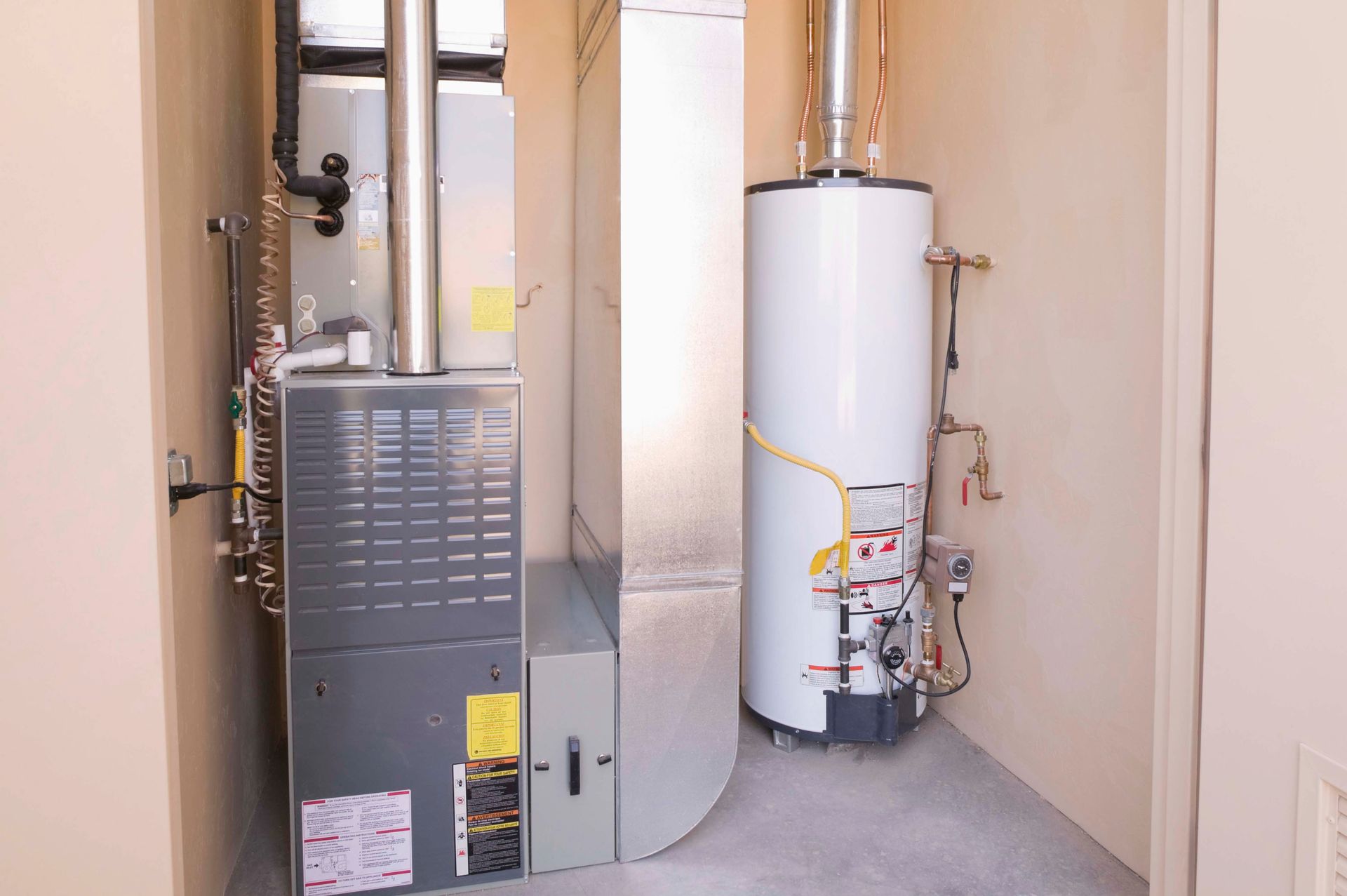
Maintaining a clean and fresh indoor living space is a top priority for modern homeowners seeking health and comfort. Over time, airborne particles such as household dust, pet dander, pollen, and lingering cooking smells can accumulate inside your home, compromising the quality of the air you breathe every day. While routine surface cleaning and vacuuming help manage visible debris, much of the particulate matter remains suspended in the air or circulates continuously through your central ductwork. Understanding how your heating and cooling equipment handles ventilation and air capture is essential to achieving long-term freshness. Partnering with a professional HVAC company allows you to evaluate your home system and implement comprehensive strategies that keep indoor pollutants at bay while keeping your indoor atmosphere pleasant and healthy.
Dust accumulation and stubborn indoor odors are often symptoms of inadequate filtration or poor air management within the home. Standard disposable air filters are primarily designed to protect equipment components from major debris rather than purify the breathing air for occupants. Consequently, fine microscopic particles pass directly through basic filters and recirculate repeatedly through every room. By upgrading your filtration strategy, you can capture a significantly higher percentage of airborne contaminants before they settle on furniture or spread unwanted scents. Working closely with a qualified HVAC company ensures that your equipment receives appropriate filter upgrades without compromising airflow or putting unnecessary strain on mechanical components.
Understanding Air Filtration Standards
To effectively target unwanted dust and lingering odors, it is essential to understand how air filtration media is rated and categorized. Industry standards measure filter efficiency based on the size of particles the media can successfully capture during operation. Higher efficiency media features denser fibers that create a more intricate web, trapping smaller particles such as fine dust, mold spores, and microscopic debris. When airborne particles pass through an advanced media barrier, they become trapped within the fibrous structure instead of circulating back into living areas. Consulting an experienced HVAC company can help clarify which filtration level is ideal for your specific equipment and home environment.
While high efficiency filters capture far more dust and particulate matter, selecting an overly dense option without professional guidance can create performance challenges. Dense filters naturally restrict airflow to some degree, requiring your blower motor to work harder to push conditioned air throughout the dwelling. If the resistance becomes too severe, system performance decreases, leading to uneven temperatures and increased wear on internal components. A certified HVAC company can evaluate your system specifications to determine the maximum filter density your equipment can handle without restricting vital airflow or causing unwanted mechanical stress.
Upgrading Filter Efficiency Levels
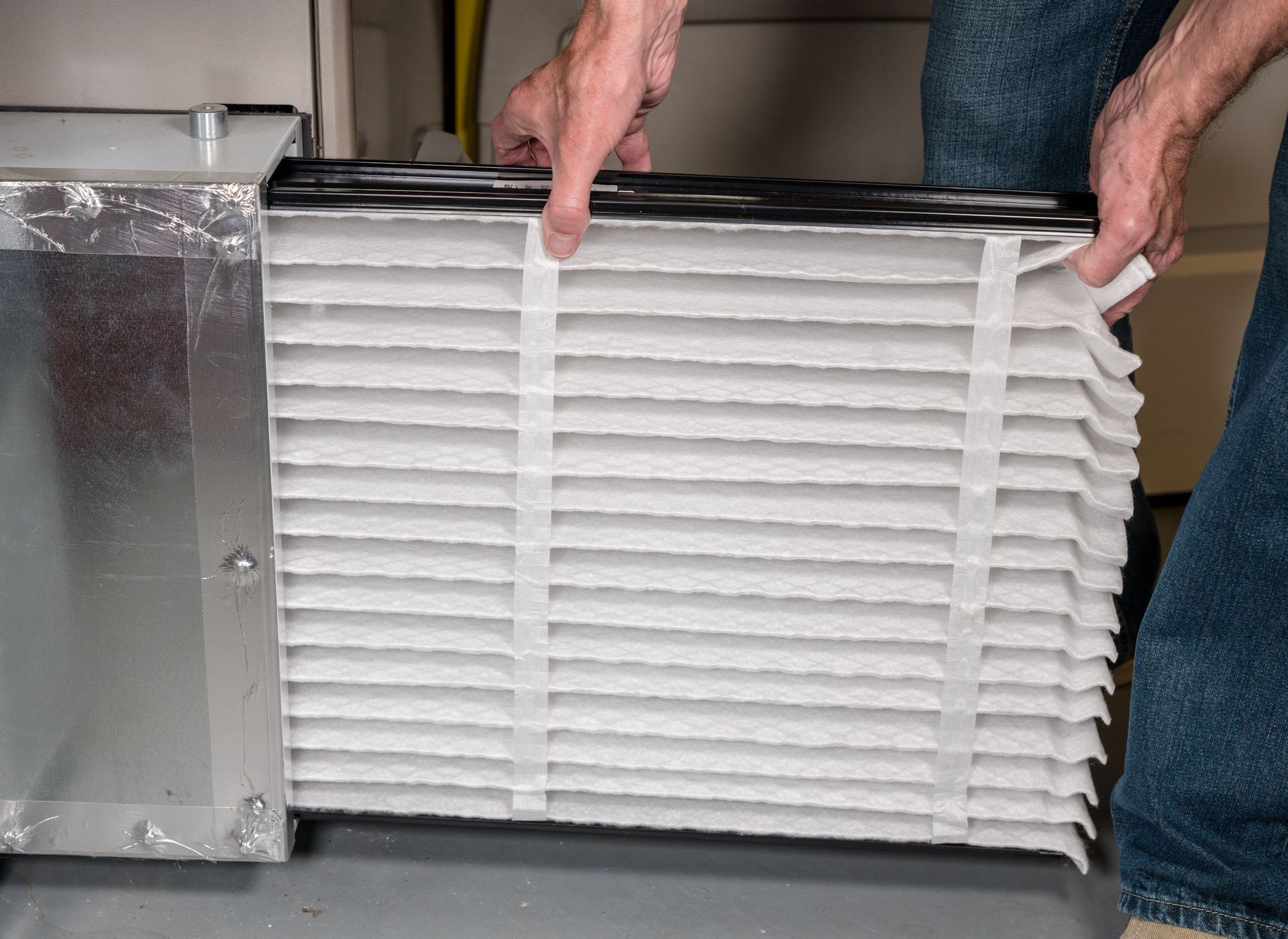
Upgrading from standard fiberglass filters to media with higher efficiency ratings is a highly effective way to control persistent dust accumulation. Standard disposable filters typically capture only large particles like lint and visible hair, leaving tiny dust particles free to settle on countertops, shelves, and flooring. Pleated synthetic filters offer significantly greater surface area and tighter fiber weaves, allowing them to capture smaller airborne pollutants that usually escape basic filters. By capturing these microscopic particles before they settle, upgraded media reduces the frequency with which you need to dust your living space.
In addition to capturing fine dust, higher efficiency filtration media plays a valuable role in managing general indoor air quality. By trapping pollen, pet dander, and external debris as air passes through the main return vents, upgraded filters keep these materials from accumulating within the furnace or heat pump assembly. This protective barrier prevents dust from baking on heating elements or accumulating on damp evaporator coils, which are common sources of burning smells and musty odors. A local HVAC company can inspect your existing filtration cabinet and recommend seamless filter upgrades tailored to your household needs.
Selecting Specialized Odor Control Filters
While standard mechanical filters excel at capturing solid dust particles, managing stubborn gaseous odors requires specialized filtration technology. Household odors stem from various everyday sources, including cooking spices, pet activity, cleaning chemicals, and excess moisture. Particle filters alone cannot trap gas molecules, allowing unpleasant smells to persist even when the air appears visually clean. To combat persistent odors effectively, incorporating activated carbon or charcoal media into your air filtration system is highly recommended. Activated carbon features millions of microscopic pores that absorb and bind gas molecules, effectively neutralizing odors as air passes through.
Integrating carbon-infused filters into your home heating and cooling system provides continuous odor reduction without relying on masking sprays or chemical air fresheners. These specialized filters capture both solid particulate dust and volatile organic compounds, delivering a comprehensive solution for cleaner, fresher indoor air. However, because activated carbon filter media operate differently than standard mechanical filters, regular monitoring and timely replacement are critical to maintaining peak absorption performance. Seeking guidance from a dependable HVAC company ensures that your odor control filters are properly integrated and maintained for optimal indoor freshness.
Establishing Routine Filter Replacement
Even the most advanced filtration system will lose its effectiveness if filter replacement is neglected over time. As an air filter traps dust, dander, and debris, the media gradually becomes saturated, reducing its ability to capture additional pollutants. A clogged filter can restrict airflow, force dust around the edges of the filter frame, and even release trapped odors back into your home environment. Establishing a consistent replacement schedule ensures that your filtration media continues to capture dust efficiently while protecting your heating and cooling equipment from unnecessary strain.
The ideal replacement frequency depends on several household factors, including the presence of pets, local outdoor air quality, household occupancy, and filter thickness. Thicker media cabinets often hold more dust and last longer than thin panel filters, but they still require periodic inspection. Checking your filter regularly and changing it whenever visual buildup is evident prevents dust from bypassing the filter media and settling in your ductwork. According to the Department of Energy, installing tightly fitted cellular window shades during cold months can decrease window heat escape by 40% or more, resulting in a 10% reduction in heating energy use. Just as energy-efficient habits protect your overall home comfort, regular filter maintenance preserves your system efficiency and indoor air cleanliness.
Enhancing Overall Indoor Air Quality
Achieving a truly clean indoor environment often involves combining advanced filtration with complementary air quality solutions. Whole-house air purifiers, ultraviolet air treatment devices, and dedicated ventilation units work alongside high-efficiency air filters to address airborne contaminants that standard filters might miss. For example, ultraviolet purifiers target mold spores and bacteria on system coils, preventing biological growth that causes unpleasant musty odors. Combining these technologies creates a multi-layered defense against dust, allergens, and persistent household smells.
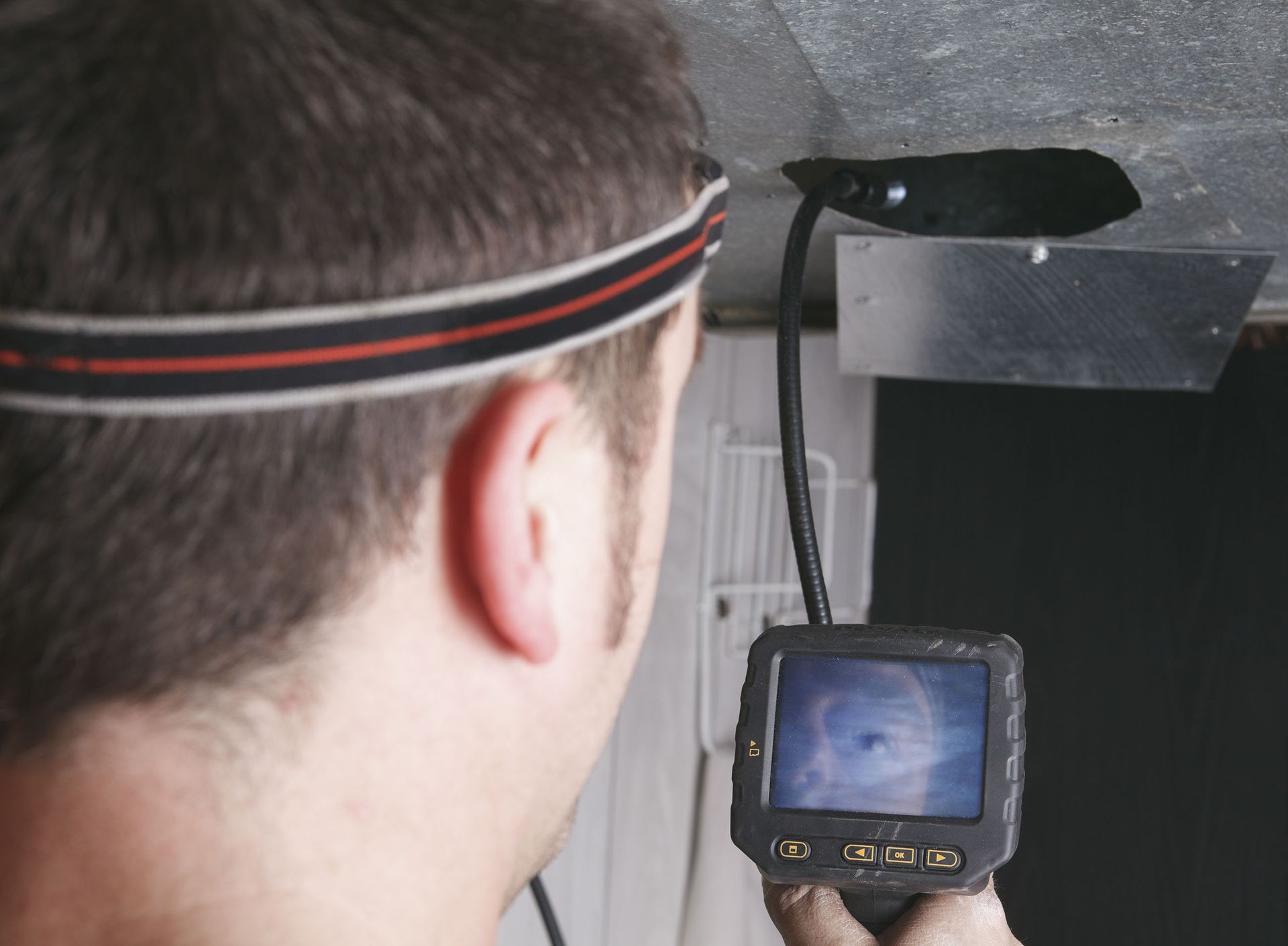
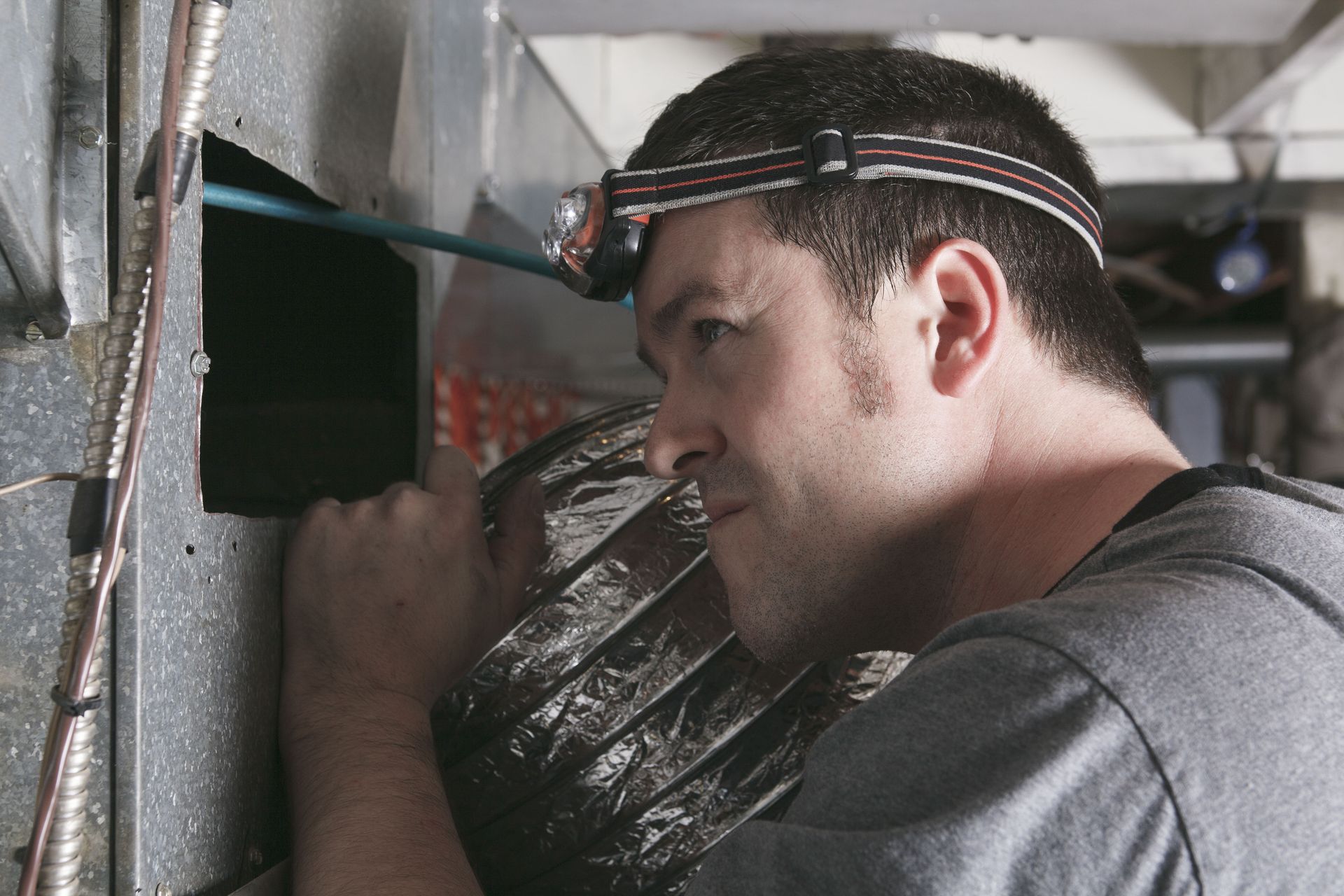
Proper duct maintenance and comprehensive system inspections also support high-performance filtration efforts. Over time, dust and debris can collect in the ductwork, constantly recontaminating living spaces whenever the blower turns on. Scheduling thorough inspections with a skilled HVAC company helps identify hidden dust reservoirs, duct leaks, and airflow restrictions that compromise your filtration efforts. By addressing these underlying issues alongside filter upgrades, you ensure that clean, odor-free air circulates evenly to every corner of your home.
Taking proactive steps to upgrade your filtration strategy can transform the cleanliness, comfort, and freshness of your living space. By choosing appropriate filter media, addressing persistent odors, and keeping up with routine filter maintenance, you can dramatically reduce household dust and eliminate unpleasant smells. If you are ready to improve your indoor air quality and enjoy a cleaner home environment, contact us at Phillips Heating and Air Conditioning today. We will help you select and maintain the ideal filtration solutions for your property.