September 21, 2026
A healthy home should provide more than shelter from outdoor weather. It should also offer clean indoor air, comfortable temperatures, and a space where family members can relax without unnecessary irritants. Dust, pet dander, pollen, moisture, and household chemicals can all affect indoor air conditions. Poor ventilation may allow these pollutants to remain inside for long periods. Regular maintenance and thoughtful household habits can help improve the air throughout the year. Air quality services can also identify concerns that may not be obvious during everyday activities. By combining professional support with simple maintenance steps, homeowners can create a cleaner and more comfortable living environment.
Inspect and Replace Air Filters
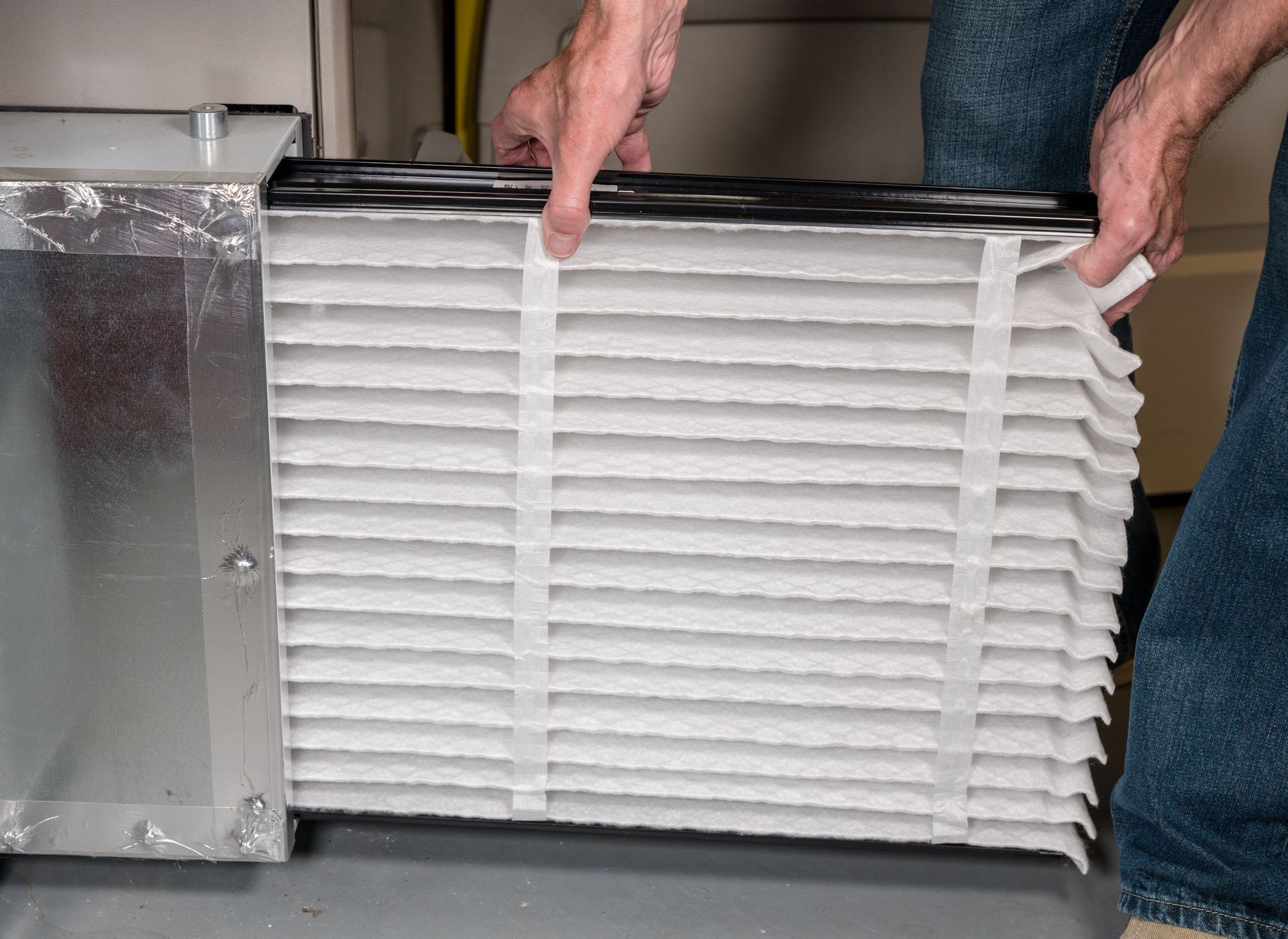
Air filters play an important role in keeping airborne particles from circulating through the heating and cooling system. When filters become clogged, the system may struggle to move air efficiently. Restricted airflow can increase strain on equipment and may contribute to uneven temperatures throughout the home. According to This Old House, air filters should generally be replaced every one to three months to help maintain good indoor air quality. The correct replacement schedule depends on the filter type, household size, pets, allergies, and system usage. Homes with several pets or frequent dust may require more frequent filter changes. Homeowners should check the filter regularly instead of waiting until airflow becomes noticeably weaker. Consistent filter maintenance supports cleaner air and helps the HVAC system operate more effectively.
Improve Indoor Ventilation
Fresh airflow helps reduce the concentration of pollutants that build up inside a home. Kitchens, bathrooms, laundry rooms, and other areas that produce moisture should have working exhaust fans. These fans help remove humidity, odors, and airborne particles before they spread to other rooms. Opening windows can also provide fresh air when outdoor conditions are suitable. However, windows should be used carefully when outdoor pollen, smoke, or pollution levels are high. Mechanical ventilation systems may be helpful in homes that are tightly sealed for energy efficiency. Air quality services can evaluate whether a property receives enough fresh air throughout the day. Improving ventilation can make indoor spaces feel fresher while reducing the buildup of unwanted contaminants.
Control Household Moisture
Excess moisture can create conditions that support mold and mildew growth. Bathrooms, basements, kitchens, and laundry areas should be monitored for condensation, leaks, and damp surfaces. Exhaust fans should be used during showers and cooking to help remove moisture from the air. Leaking pipes, damaged seals, and roof problems should be repaired promptly. A dehumidifier may help control humidity in areas that remain damp despite regular ventilation. Homeowners should also avoid allowing wet clothing, towels, or rugs to remain inside for extended periods. Air quality services may recommend moisture-control strategies based on the home’s layout and existing conditions. Keeping indoor humidity within a comfortable range can protect both the home and the people living in it.
Reduce Dust and Indoor Debris
Dust can collect on furniture, floors, vents, curtains, and other household surfaces. Regular cleaning helps reduce the amount of material that can become airborne during daily activity. Vacuum cleaners with effective filtration can help capture fine particles instead of releasing them back into the room. Hard floors should be cleaned with a damp mop to prevent dust from spreading. Bedding, rugs, and fabric furniture should also be cleaned according to their care instructions. Clutter should be limited because crowded surfaces make it harder to clean consistently. Entry mats can reduce the amount of dirt and outdoor debris brought inside by shoes. These habits work alongside air quality services to support a cleaner and more manageable indoor environment.
Address Pet Dander and Allergens
Pets can bring comfort and companionship into a home, but they may also introduce dander, hair, and outdoor allergens. Brushing pets regularly can help reduce loose hair and limit the amount that collects indoors. Pet bedding should be washed often, especially when animals spend time outdoors. Keeping pets away from certain furniture or bedrooms may help reduce allergen exposure in specific areas. Vacuuming and dusting should be performed consistently in rooms where pets spend the most time. Air purifiers may provide additional support by capturing some airborne particles. Homeowners should also clean pet toys, carriers, and feeding areas regularly. A combination of cleaning routines and professional air quality services can help maintain a more comfortable home for both people and animals.
Choose Household Products Carefully
Many cleaning products, paints, air fresheners, and personal care items release chemicals into indoor air. Homeowners should read product labels and follow directions for safe use. Strong products should be used in well-ventilated areas whenever possible. Mixing cleaning chemicals can create dangerous fumes and should always be avoided. Fragrance-free or low-emission products may be useful for households trying to reduce unnecessary irritants. Paints, adhesives, and other renovation materials should be allowed to dry and ventilate properly before rooms are used regularly. Stored chemicals should remain sealed and kept away from children and pets. Thoughtful product choices can reduce indoor chemical exposure and complement the recommendations provided by air quality services.
Maintain Heating and Cooling Equipment
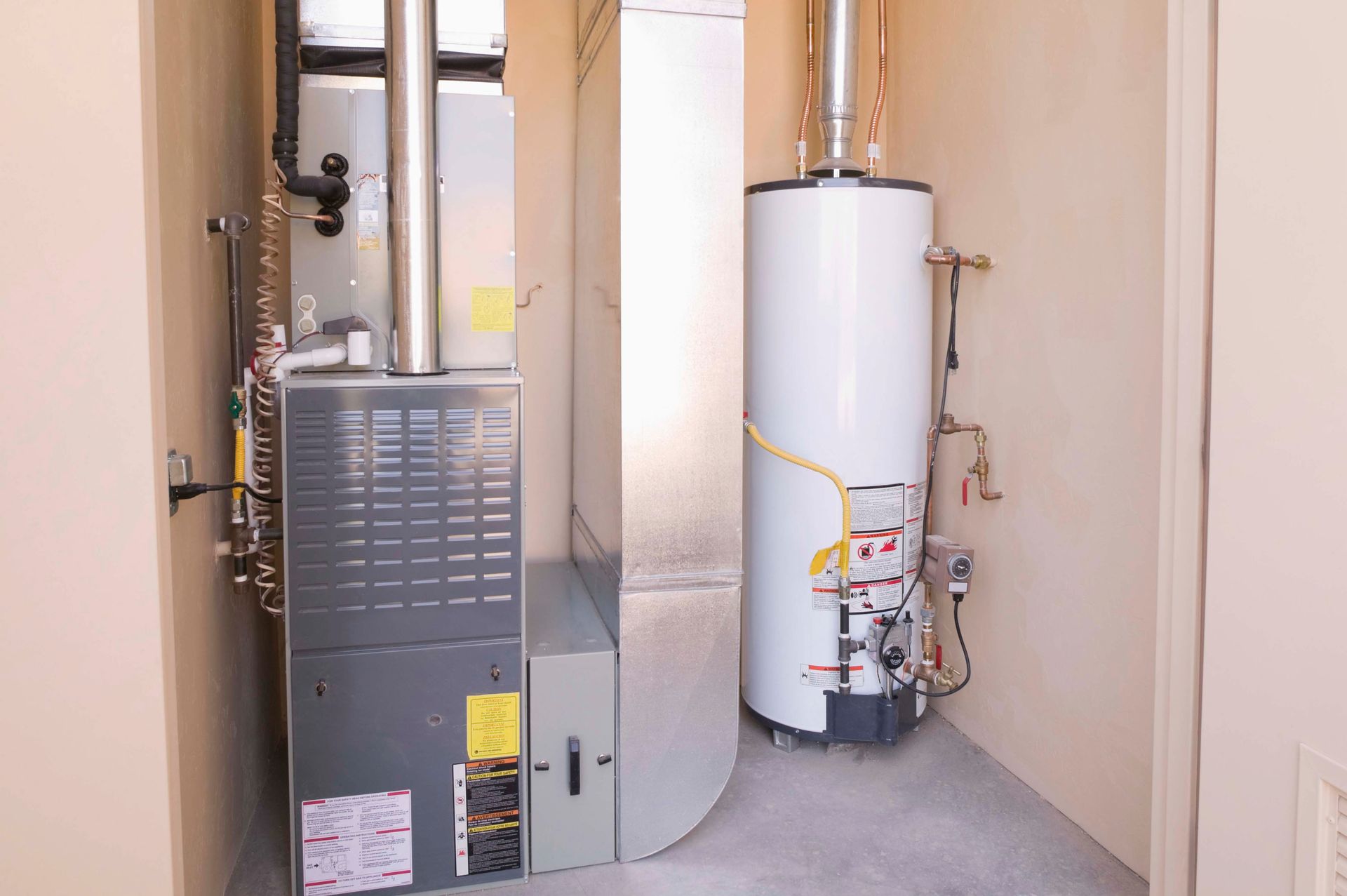
Heating and cooling equipment affects both comfort and the movement of indoor air. Furnaces, air conditioners, heat pumps, and ductwork should receive regular attention to keep them operating properly. Dirty coils, blocked vents, and neglected components can interfere with airflow and system performance. Professional maintenance can help identify worn parts, unusual buildup, and other issues before they become major problems. Supply vents and return grilles should remain clear of furniture, rugs, and household objects. Homeowners should also listen for unusual sounds or watch for changes in temperature control. Air quality services may include inspections of equipment that influence filtration, circulation, and humidity. Proper HVAC maintenance supports reliable operation while helping the home maintain consistent indoor conditions.
Keep Ductwork and Vents Clean
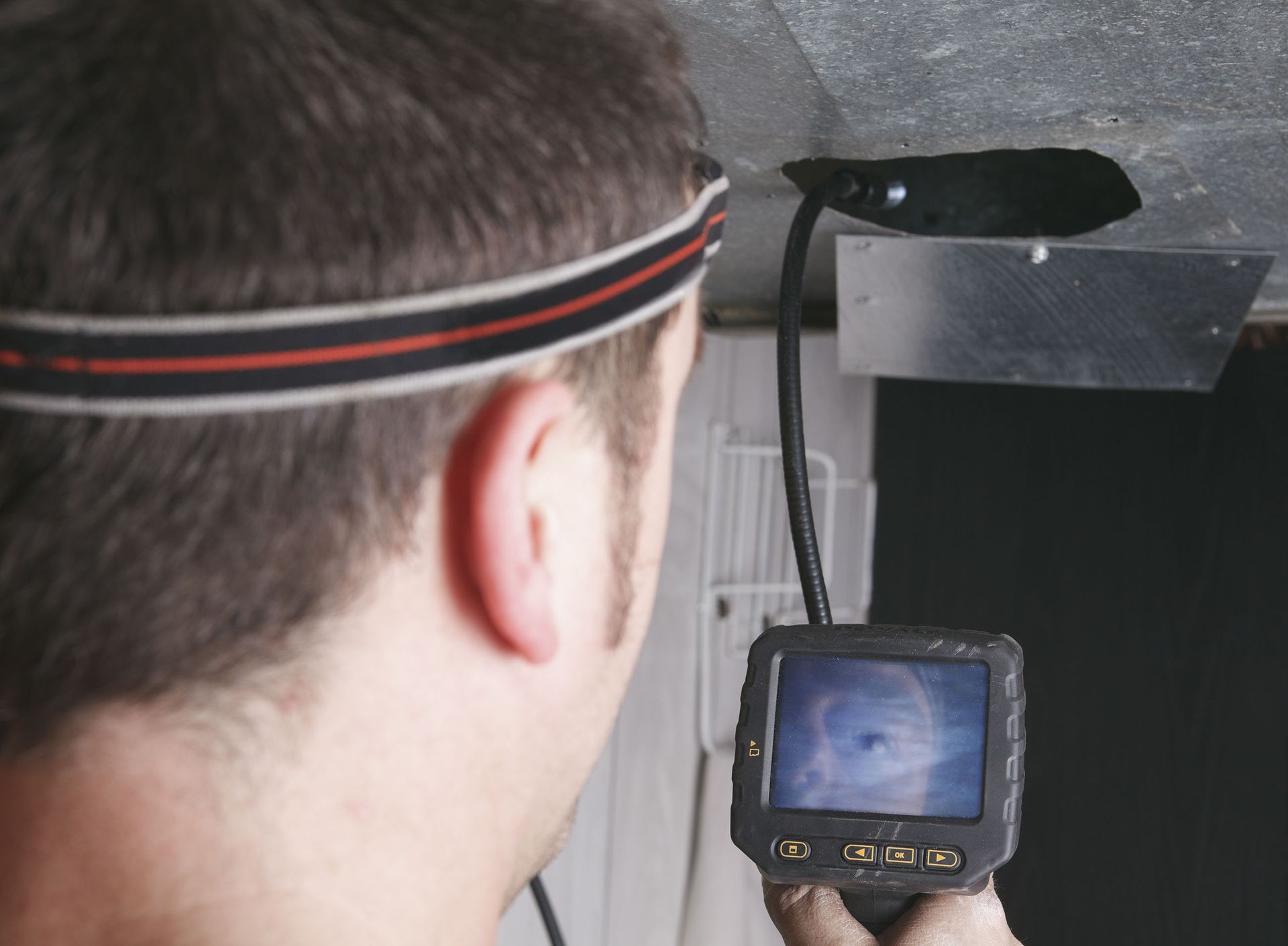
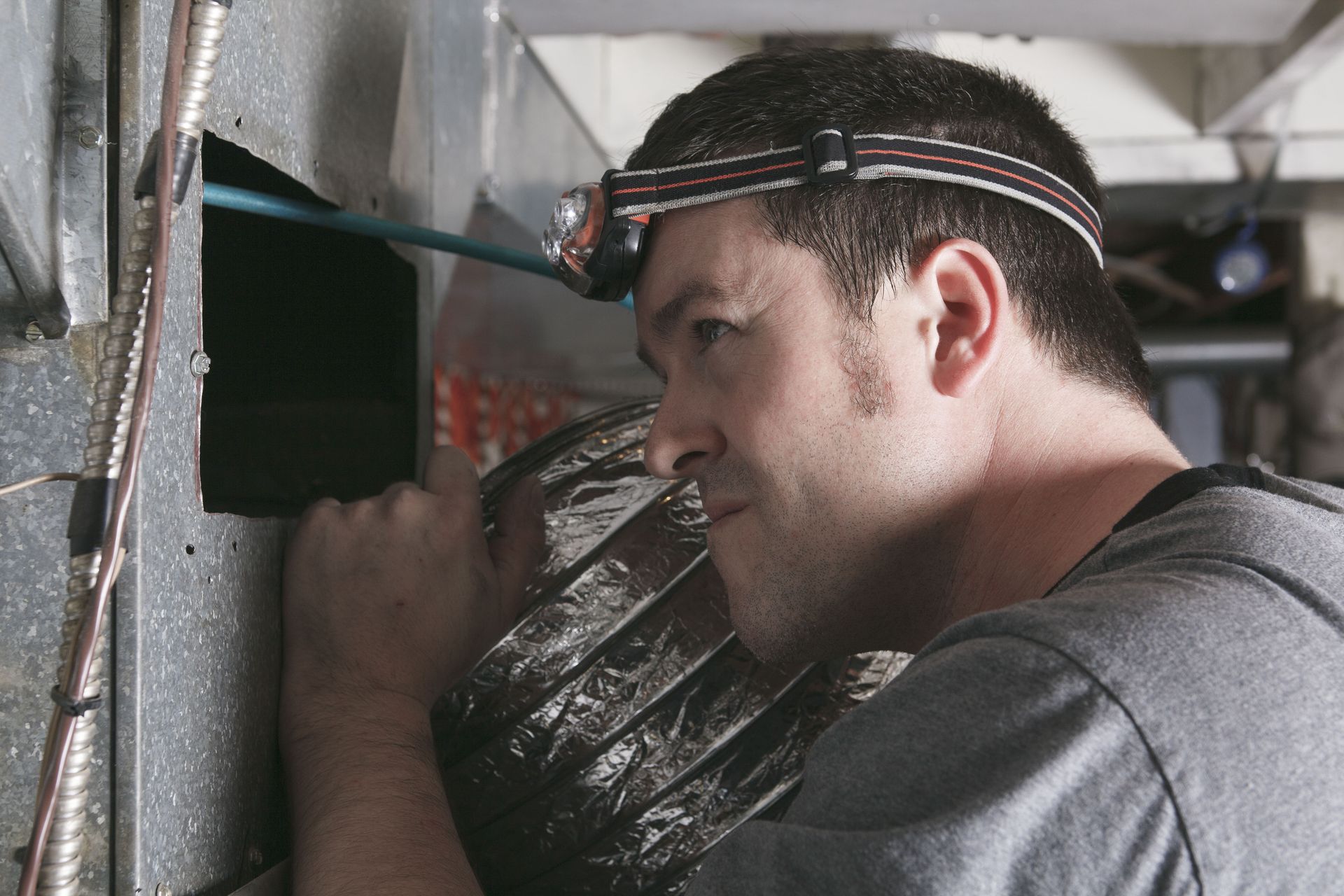
Ductwork distributes conditioned air throughout the home, so its condition can affect indoor comfort. Visible dust around vents may indicate that cleaning or further inspection is needed. However, duct cleaning is not automatically necessary for every home and should be based on actual conditions. Professional evaluation can determine whether ducts contain excessive dust, pests, mold, or construction debris. Leaks in ductwork may also allow conditioned air to escape into attics, crawl spaces, or wall cavities. Sealing damaged sections can improve airflow and reduce energy waste. Homeowners should avoid blocking vents because restricted circulation can affect several rooms at once. When needed, air quality services can help determine whether duct maintenance would benefit the property.
Use Air Cleaners and Purifiers
Air cleaners and purifiers may provide additional support in homes with specific air quality concerns. Portable units can be placed in bedrooms, living rooms, or other frequently used spaces. The appropriate unit size should match the room where it will operate. Filters and collection components must be maintained according to the manufacturer’s instructions. A purifier should not be viewed as a replacement for ventilation, cleaning, moisture control, or HVAC maintenance. Homeowners should also be cautious about devices that intentionally produce ozone because ozone can irritate the lungs. A professional can help determine whether filtration or purification equipment is appropriate. Air quality services may recommend targeted equipment based on household needs and existing indoor conditions.
Monitor Indoor Air Conditions
Paying attention to changes inside the home can help identify air quality concerns early. Persistent odors, excessive dust, condensation, and recurring allergy symptoms may indicate that further evaluation is needed. Homeowners should note when problems occur and whether they are limited to certain rooms. A basic indoor humidity monitor can help identify moisture levels that remain too high or too low. Carbon monoxide detectors should be installed and tested regularly near sleeping areas and fuel-burning equipment. Smoke alarms should also be maintained and replaced according to safety guidance. Professional air quality services can provide more detailed testing when the source of a concern is unclear. Monitoring indoor conditions allows homeowners to respond before small problems become more difficult to manage.
Homeowners seeking dependable support for air quality services can contact Phillips Heating and Air Conditioning for guidance tailored to their home. Schedule an appointment today to take the next step toward cleaner air, improved comfort, and a healthier living environment.