March 11, 2026
Have you ever turned up the heat on a chilly winter morning, only to feel a weak breeze or hear unusual noises from your heating system? If so, you are not alone. Homeowners in Newton Falls, OH, know all too well how important reliable heating is when winter temperatures drop. With long, cold winters typical here in northeastern Ohio, ensuring your heating system is clean and functioning well is not just a matter of comfort. It is a matter of safety, efficiency, and protecting your home investment.
This guide will walk you through essential cleaning tips for your home heating system. By the time you finish reading, you will understand why cleaning matters, what parts of your heating system need attention, and how to approach maintenance in a way that helps your system perform better and last longer.
Why Cleaning Your Heating System Matters
Regular heating system cleaning does more than just keep your home warm. Proper cleaning can improve indoor air quality, reduce energy consumption, lower heating costs, and prevent costly repairs. According to the Department of Energy, a clean and well-tuned heating system can operate more efficiently and use less fuel, saving energy and money over time.
Dust, dirt, and debris accumulate inside your heating system over months of operation. If left unchecked, this buildup can strain components, reduce airflow, and force your system to work harder. That leads to higher utility bills and the potential for premature breakdowns.
Understanding the Local Climate in Newton Falls
Newton Falls experiences significant seasonal changes. Winters here can be long and cold, with average January lows around 18°F and frequent snowfall. Preparing your heating system before and during this cold season is essential. If you wait until the first deep freeze to think about maintenance, you are already behind. A clean heating system helps ensure consistent warmth throughout winter and reduces the risk of mid-season failures.
How Often Should You Clean Your Heating System?
There is no one-size-fits-all answer to how often you should clean your heating system, but a general rule of thumb is to perform basic cleaning tasks at least once per season. For deeper, more thorough maintenance, working with a professional at least once a year is recommended. An annual tune-up just before the heating season begins can uncover hidden issues and ensure everything is ready when the temperature drops.
Key Components That Need Cleaning
To keep your heating system running smoothly, focus on these essential parts:
Air Filters
Air filters trap dust, allergens, and other particles. Over time, they clog and restrict airflow. Restricted airflow forces your system to work harder, increasing energy use and wear on components.
-
Check filters monthly during the winter.
-
Replace filters when they look dirty or clogged.
-
Use the correct filter size and type for your system.
According to the Environmental Protection Agency, changing filters regularly can significantly improve indoor air quality and system efficiency.
Heat Exchanger
The heat exchanger transfers heat from the burner to the air that circulates in your home. If it is dirty or blocked with soot and debris, heat transfer becomes inefficient and can cause uneven heating or higher fuel use.
-
Only trained technicians should clean the heat exchanger.
-
During a professional tune-up, the tech will inspect and clean this component for proper operation.
Blower Motor and Fan
The blower motor pushes heated air through your ducts and into your living spaces. Dust and debris on the blower fan reduce airflow and can cause the motor to overheat.
-
Vacuum accessible areas around the blower carefully.
-
Remove dust from the fan blades with a soft brush.
Ductwork
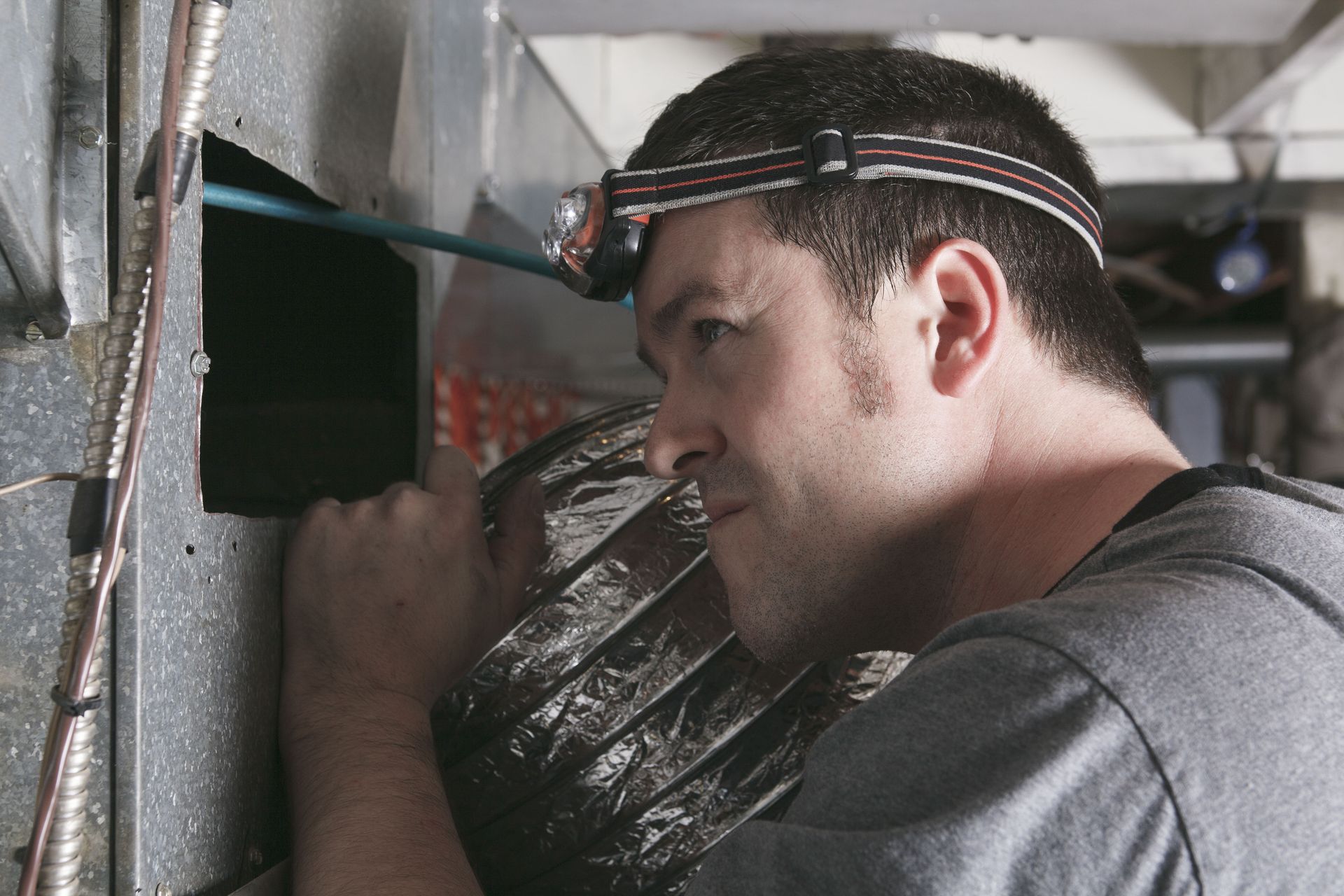
Over time, dust, pet hair, and other debris build up in ducts. Dirty ducts reduce airflow and can circulate allergens throughout your home.
-
Consider professional duct cleaning every few years, especially if you see visible debris or notice dusty vents.
DIY Cleaning Tips Homeowners Can Do
You do not need to be a technician to maintain your heating system. Some key cleaning tasks are safe and easy for most homeowners.
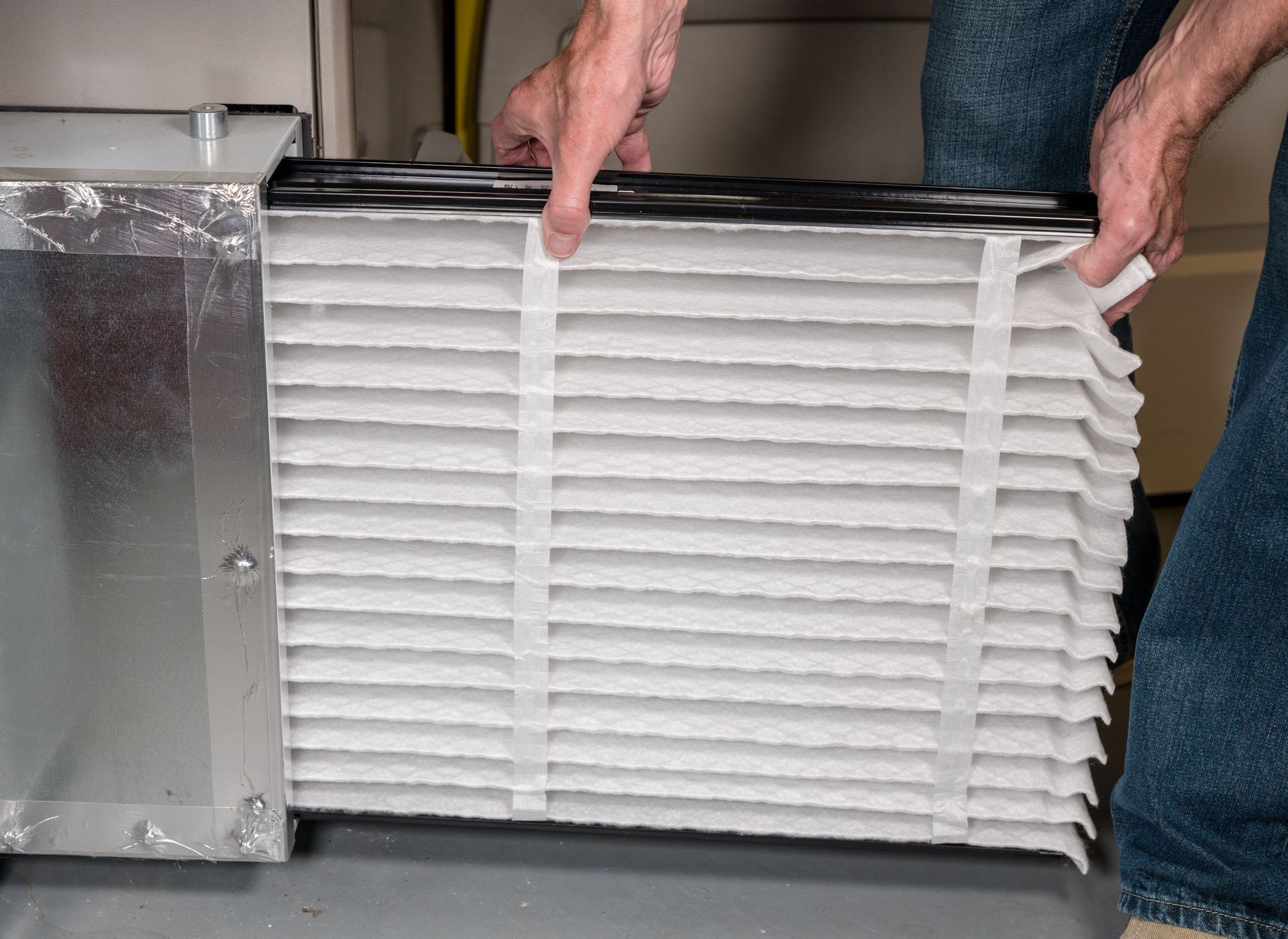
Change or Clean Your Air Filters
This is the easiest and most effective cleaning task homeowners can perform.
-
Locate the filter slot (usually near the return air duct).
-
Slide out the old filter and replace it with a new one.
-
Make sure the airflow arrows point in the correct direction.
Clean or replace disposable filters once every 1 to 3 months during peak use. If you have pets or family members with allergies, consider more frequent changes.
Vacuum Around the Furnace or Air Handler
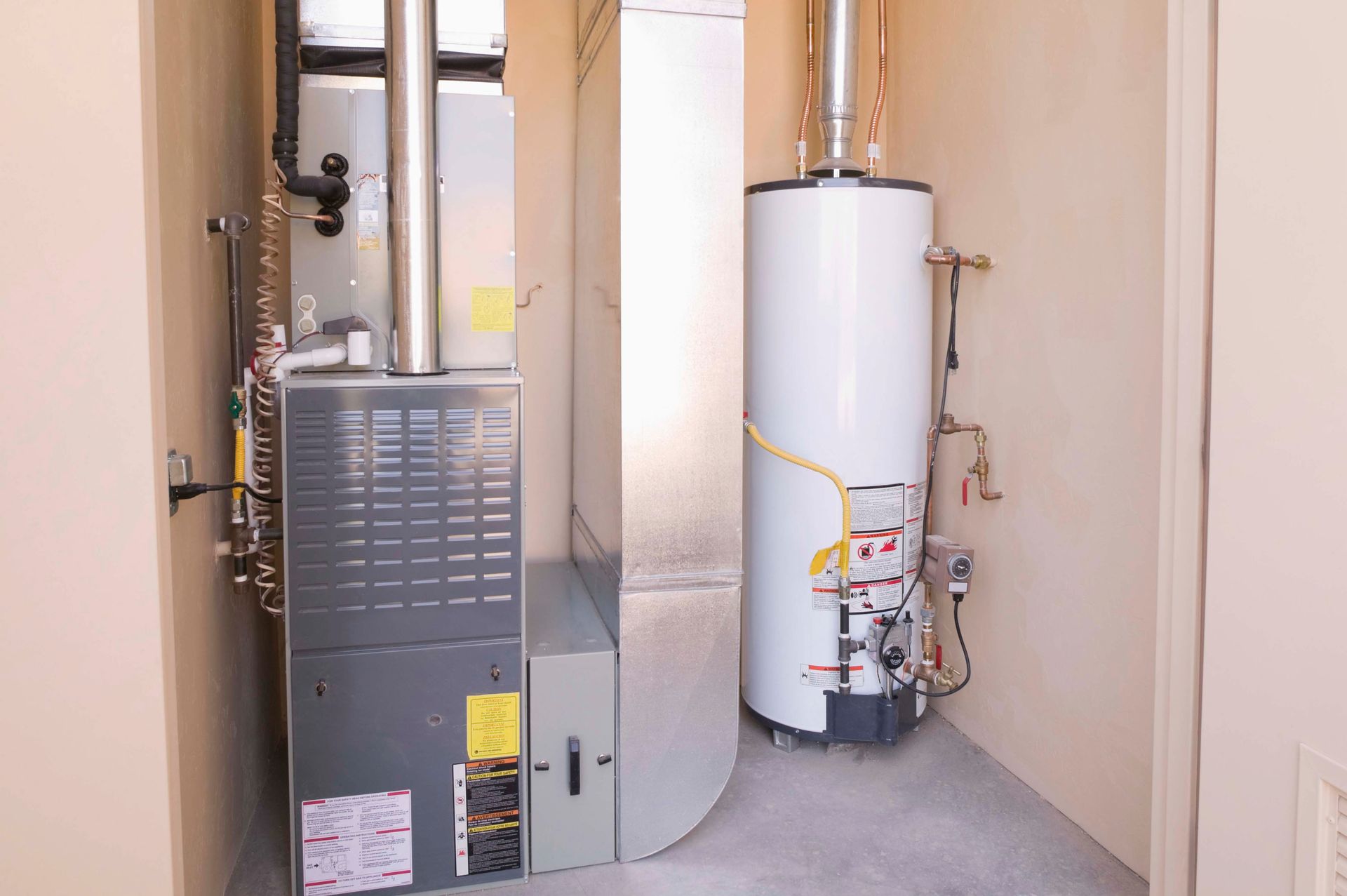
Dust and debris can settle around your furnace or air handler.
-
Turn off the system before cleaning.
-
With a vacuum brush attachment, gently clean around the unit.
-
Do not open any panels or touch internal components.
Clean Vents and Registers
Blocked vents and registers impact airflow.
-
Remove vent covers and wash them with warm, soapy water.
-
Vacuum inside the vent openings.
Replace the Humidifier Pad (If Applicable)
Some systems have built-in humidifiers. Over the heating season, the humidifier pad can get clogged with mineral deposits.
-
Follow the manufacturer’s instructions for your specific model.
-
Replacing the pad annually can improve indoor comfort.
Professional Cleaning Tasks You Shouldn’t Skip
While DIY tasks are helpful, there are parts of your heating system that require a professional’s touch.
Heat Exchanger Inspection and Cleaning
A technician can safely inspect and clean the heat exchanger to prevent efficiency loss or safety hazards. Cracks or soot buildup can be signs of deeper issues.
Burner and Flame Sensor Cleaning
Gas furnaces have burners and flame sensors that can become coated with residue. A professional can clean these parts to ensure proper ignition and combustion.
Combustion Chamber Cleaning
If you have a combustion-based heating system (like a gas furnace), the combustion chamber needs occasional cleaning to prevent soot buildup and maintain safe operation.
Electrical Component Check
Loose or dirty electrical connections can lead to failures or unsafe operation. A professional cleaning includes tightening and inspecting electrical parts.
Signs Your Heating System Needs Cleaning or Maintenance
Knowing when your heating system is struggling lets you act before a minor problem becomes a major repair. Look out for these signs:
Weak Airflow from Vents
If you turn on the heat and feel less air than usual, the system may be dirty or struggling. Clogged filters, dirty blower fans, or blocked ducts can cause this issue.
Strange Noises
Grinding, rattling, or squealing sounds are not normal. These can indicate debris in the blower, loose components, or failing parts.
Increased Energy Bills
If your heating bills spike for no apparent reason, your system may be working harder than it should because of dirt buildup. According to the U.S. Energy Information Administration, heating accounts for a significant share of home energy use, especially in cold climates like ours.
Uneven Heating
Rooms that are significantly warmer or colder than others can be a sign of airflow issues, duct problems, or dirty components.
Frequent Cycling On and Off
Short cycling (when your system switches on and off rapidly) can be caused by airflow restrictions, dirty sensors, or other malfunctions.
The Health Impacts of a Dirty Heating System
A dirty heating system can affect indoor air quality, especially if filters and ducts are clogged. Poor air quality can worsen allergies, asthma, and other respiratory issues. According to the American Lung Association, indoor air can be more polluted than outdoor air, and HVAC systems play a role in circulating that air.
Keeping your system clean helps reduce dust, pollen, and other contaminants that circulate through your home.
How Cleaning Can Save You Money
When your system is clean and operating efficiently, it uses less energy to heat your home. Lower energy use translates into lower heating costs. Regular cleaning also helps prevent premature wear on parts, reducing the likelihood of unexpected breakdowns and costly repairs.
Ignoring maintenance can lead to more severe and expensive problems down the road. What might have been a simple cleaning task can turn into a costly repair or even a full system replacement if ignored for too long.
Seasonal Cleaning Checklist for Newton Falls Homeowners
Here’s a simple seasonal checklist you can use to keep your heating system in good shape:
Early Fall
-
Replace or clean the air filter.
-
Vacuum around the furnace or air handler.
-
Wash vents and registers.
-
Schedule a professional heating system tune-up.
Mid-Winter
-
Check filters monthly and replace as needed.
-
Keep vents and registers clear of furniture and obstructions.
-
Monitor for unusual noises or weak airflow.
Late Winter
-
Replace used filters.
-
Inspect visible ductwork for dust buildup.
-
Note any performance issues for your spring or next fall service.
Why DIY Isn’t Enough for Some Tasks
While homeowners can handle basic cleaning, some components require professional skills, tools, and safety precautions. For example:
-
Cleaning the heat exchanger involves working inside the furnace, where gas or electrical components are present.
-
Burner and combustion chamber cleaning must be done precisely to avoid unsafe operation.
-
Duct cleaning requires specialized equipment to remove deep-set debris and contaminants.
Professionals not only clean but inspect for safety and performance issues you might overlook.
Choosing the Right Filter for Your Heating System
Not all filters are created equal. When selecting a filter, consider:
-
The MERV rating, which measures a filter’s ability to capture particles. Higher MERV ratings capture more particles, but may restrict airflow if your system isn’t designed for them.
-
Your household’s needs, like allergies or pets.
-
Your system’s manufacturer recommendations.
A professional technician can help you choose the right filter for your specific system and needs.
Common Mistakes Homeowners Make
Here are a few mistakes that can reduce the effectiveness of your cleaning efforts:
Ignoring Filter Changes
Not checking or replacing filters often enough is one of the biggest issues. Dirty filters restrict airflow and force your system to work harder.
Skipping Professional Tune-Ups
Going multiple years without a professional inspection can allow small problems to grow unnoticed.
Blocking Vents and Registers
Furniture, curtains, or rugs that cover vents restrict airflow and reduce heating efficiency.
DIY Overreach
Attempting to clean internal components without proper training can damage your system or create safety hazards.
How Professional Cleaning Helps Extend System Lifespan
Regular professional cleaning and tune-ups help catch small issues before they escalate. Technicians look for:
-
Loose or worn parts
-
Corroded or damaged components
-
Signs of inefficiency or strain
-
Safety hazards like carbon monoxide leaks
Addressing these issues early helps your heating system last longer and operate more reliably.
Preparing for Heating Season in Newton Falls
In Newton Falls, winter weather can be harsh and unpredictable. Preparing your heating system before the cold hits ensures you stay warm without interruption. Think of it as winter weatherproofing your home’s comfort system.
Start early in fall. This gives you time to address any needed repairs or performance issues before nighttime temperatures drop below freezing.
Professional vs. DIY: When to Call an Expert
DIY cleaning is great for tasks like filter changes and basic vacuuming. But you should call a professional when:
-
You smell gas or suspect a leak
-
Your system loses heat suddenly
-
You hear banging, clanging, or loud rattling
-
The flame looks yellow instead of blue
-
You see soot or smoke around the furnace
In these situations, a professional can diagnose issues safely and accurately.
Investing in Preventive Maintenance
Preventive maintenance is not an expense. It is an investment in comfort, safety, and long-term savings. The cost of regular maintenance is typically much lower than unexpected repairs or early system replacement.
Preventive care also helps keep your warranty valid. Many manufacturers require annual maintenance for warranty protection.
Tips for Making Maintenance a Habit
Here are a few ways to stay on top of your heating system care:
-
Set calendar reminders for filter checks
-
Schedule annual tune-ups every fall
-
Keep a maintenance log with dates and tasks completed
-
Ask your technician for written recommendations
Staying proactive helps you avoid surprises and keeps your home comfortable during the coldest months.
For Heating System Cleaning in Newton Falls, Contact Phillip’s Heating and Air Conditioning Today
When you need reliable heating system cleaning and maintenance in Newton Falls, trust the professionals at Phillip’s Heating and Air Conditioning to take care of your home like it was our own. Winters here are long and cold, and when the temperatures drop, you need systems you can depend on. We have years of experience serving this community, and we know exactly what it takes to keep your heating system running efficiently and safely.
If you are noticing weak airflow, rising energy bills, strange noises, or uneven heating, these could be signs your system needs cleaning or service. Before winter hits its peak, make sure your system is ready. Our trained technicians provide thorough cleaning, detailed inspections, and personalized recommendations so you can enjoy consistent warmth throughout the season.
The moment you recognize that your heating system isn’t performing as it should is exactly the moment to act. Whether you are new to the neighborhood or have lived here for years, we are here to help you stay comfortable and confident in your home’s heating performance. Let us give you peace of mind with professional cleaning and care that you can trust.
The post Essential Cleaning Tips For Home Heating Systems in Newton Falls, OH appeared first on Phillips Heating and Air Conditioning LLC.